

Editor’s note: This article contains references to disordered eating.
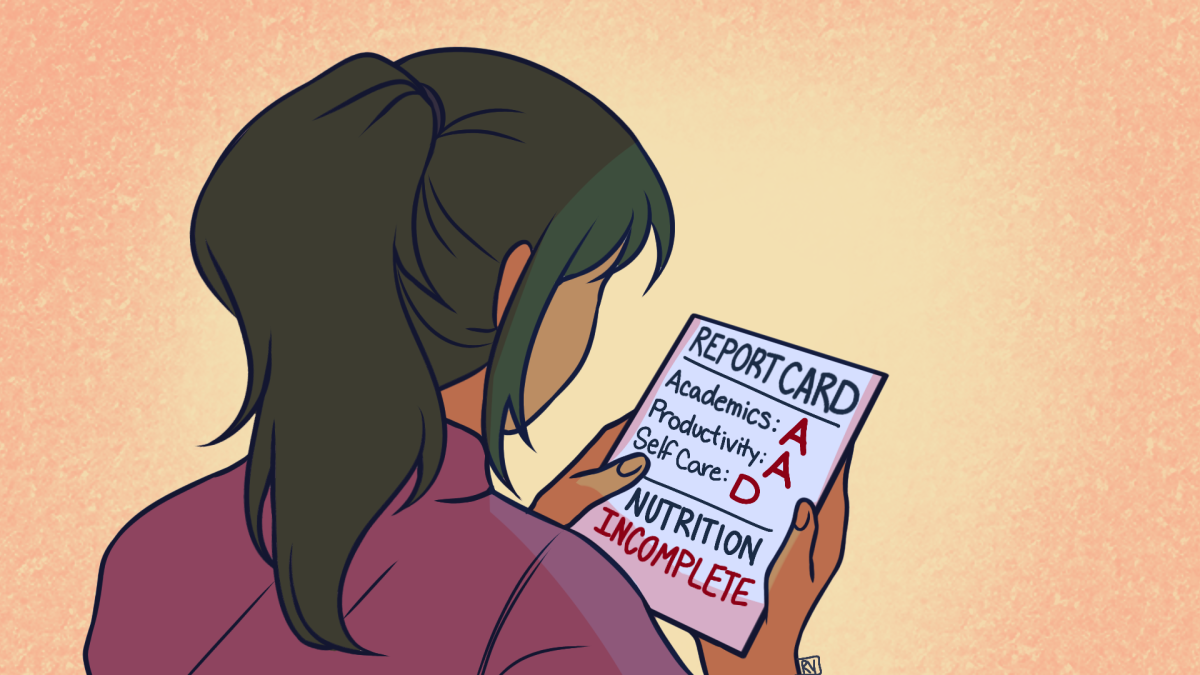
On a campus that runs on deadlines and coffee, food is often treated as optional. Mentioning you forgot to eat can slip into conversations as casually as saying you’re tired, earning laughs or nods of understanding, but beneath the humor is a pattern that can have serious consequences.
Consistently skipping meals can affect energy levels, concentration and mood. When students under-fuel, blood sugar drops, making it harder to focus in class and manage stress. What feels like productivity can quickly turn into burnout.
Lauren Smith, NC State Dining’s Director of Nutrition and Wellness, emphasizes the harm that skipping meals can have. Although it might seem more convenient to power through a packed schedule or suppress hunger to save time, it inevitably does more harm than it’s worth.
“Fueling your body the way that it needs frequently throughout the day is going to be much more beneficial in the long run,” Smith said.
Balancing classes, work and a social life, it’s all too easy to forget to eat. It might be 3 p.m. and you realize the only thing you’ve had is an iced coffee. However, there are some simple ways to prevent that pattern, especially for students who already have access to campus dining options.
Meal plans are designed to provide consistent access to balanced meals throughout the day, and Smith encourages students to plan ahead, whether that means scheduling time to eat between classes or grabbing something quick and nutrient-dense rather than skipping a meal entirely.
“Sometimes it helps to even put a note if you’re someone who just doesn’t feel hungry often,” Smith said. “If you’re a student using a meal plan, really utilize that to the fullest … Having that plan in place at the beginning of the day or the beginning of the week is really going to help.”
Beyond busy schedules, cultural pressures and stigma can also shape how students view food and their bodies.
“There’s a lot of stigma around body size and various types of eating disorders,” Smith said. “Eating disorders don’t discriminate.”
Eating disorders affect people of all genders and body sizes, yet stereotypes may prevent students from recognizing warning signs in themselves or others. Casual jokes about not eating, labeling foods as good or bad can reinforce harmful norms.
Praising restrictions or spreading misinformation can further complicate the issue.
“Language matters now more than ever because everyone has a different viewpoint. No one is really following science-based evidence anymore,” Smith said. “There’s just a lot of misinformation.”
As social media is flooded by trending diets and unverified wellness advice, students may struggle to separate evidence-based nutrition guidance from viral content. Smith stresses the importance of turning to credible, science-backed resources instead of online trends.
With Eating Disorder Awareness Month being recognized in the month of February, Campus Health will be hosting Celebrate Every BODY on Feb. 24 to educate students about body acceptance, eating disorders and overall wellness.
The university also offers a range of services for students struggling with nutrition and body image. Campus Health offers individual counseling and support for students experiencing disordered eating or body image concerns, and for those struggling with access to food, Feed the Pack food pantry is open to everyone in the NC State community.
In a culture that often equates busyness with success, remembering to eat may not seem revolutionary. Treating nourishment as essential, not optional, could make all the difference.