
If you follow the news closely, it can feel like everything is happening at once and nothing is stopping it. Policies are announced, controversies take over headlines and before there is time to process one development, another replaces it. Over time, that creates a specific kind of anxiety, one rooted less in what is actually happening and more in what we are able to see.
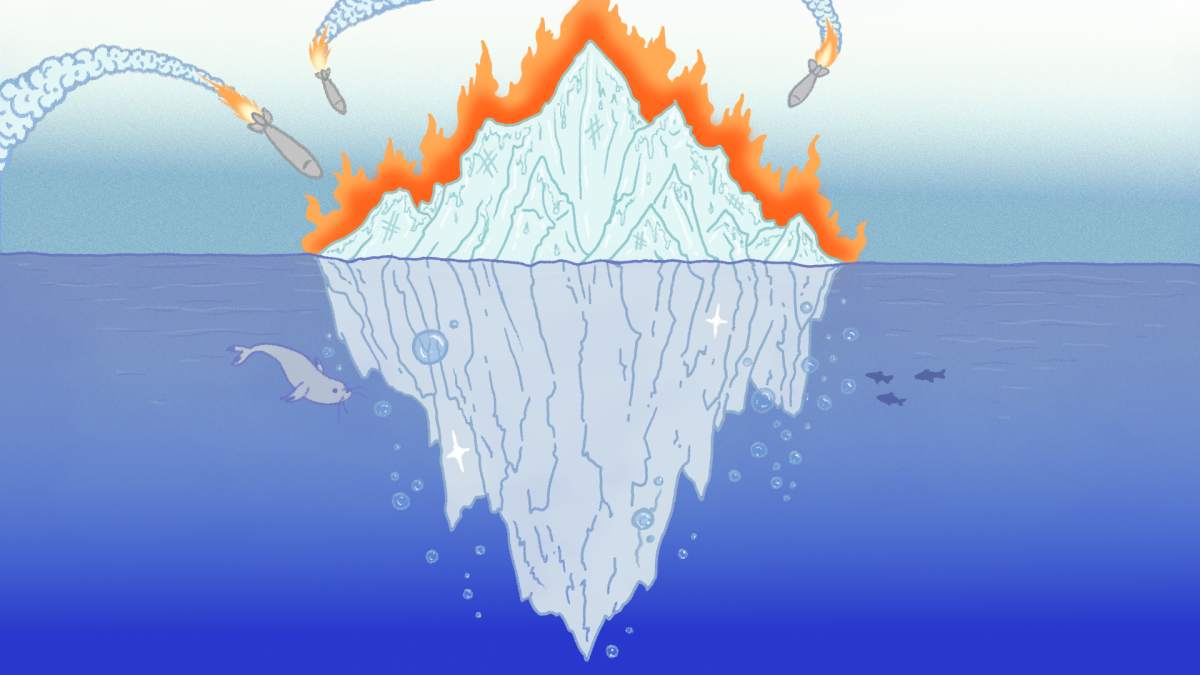
A lot of that comes down to how political news works right now. The current approach is described as “flooding the zone,” where a constant stream of announcements, executive actions and controversies keeps attention moving so quickly that no single issue holds long enough to be fully understood. The focus stays on what is new, not what happens next.
But what happens next is often where the story shifts and where things are not nearly as one-sided as they first appear.
Since returning to office, President Donald Trump has issued a high volume of executive orders, many of which have been immediately challenged in court. Judges have repeatedly blocked or limited policies, including recent rulings striking down executive orders targeting law firms and forcing revisions to Pentagon media restrictions.
Those outcomes do not always dominate headlines, but they show something important. Pushback is happening, and it is happening constantly. That is the part that gets lost.
When the only version of events people consistently see is the most dramatic and alarming moment, it can create the impression that everything is final and nothing is being resisted. In reality, many of those same policies are being slowed, reshaped or stopped altogether through legal and institutional challenges that unfold over time.
That does not mean everything is fine, but it does mean that everything is still being fought over.
The same pattern shows up beyond federal politics. In coverage of the war in Gaza, temporary ceasefires and negotiated humanitarian aid rarely receive the same sustained attention as the initial escalation of violence. At the state level, changes to voting laws, housing policy and environmental regulation continue to shape people’s lives without ever dominating the national conversation.
These developments are not complete solutions, but they are not nothing. They are evidence that outcomes are still being shaped. That distinction matters, because the belief that we are losing everything is not just discouraging, it is inaccurate. What feels like everything getting worse is, in reality, a contested process.
For students, that should change how we engage with political news. If the system is moving quickly, then our role is not to keep up with every headline, but to follow what actually lasts. That includes paying attention to whether policies hold up, whether they are challenged and what happens after the initial announcement.
It also includes being more strategic about how we stay informed. Relying only on headlines or social media reactions makes it easier to feel overwhelmed and easier to miss the moments where pushback is happening.
If the current strategy of fear and negativity depends on people feeling powerless, then choosing to stay engaged is the way to push back — not by knowing everything, but by refusing to assume that everything is already decided.
Outcomes are still being shaped, which means the future is not set, and we have more influence over it than it may seem.


