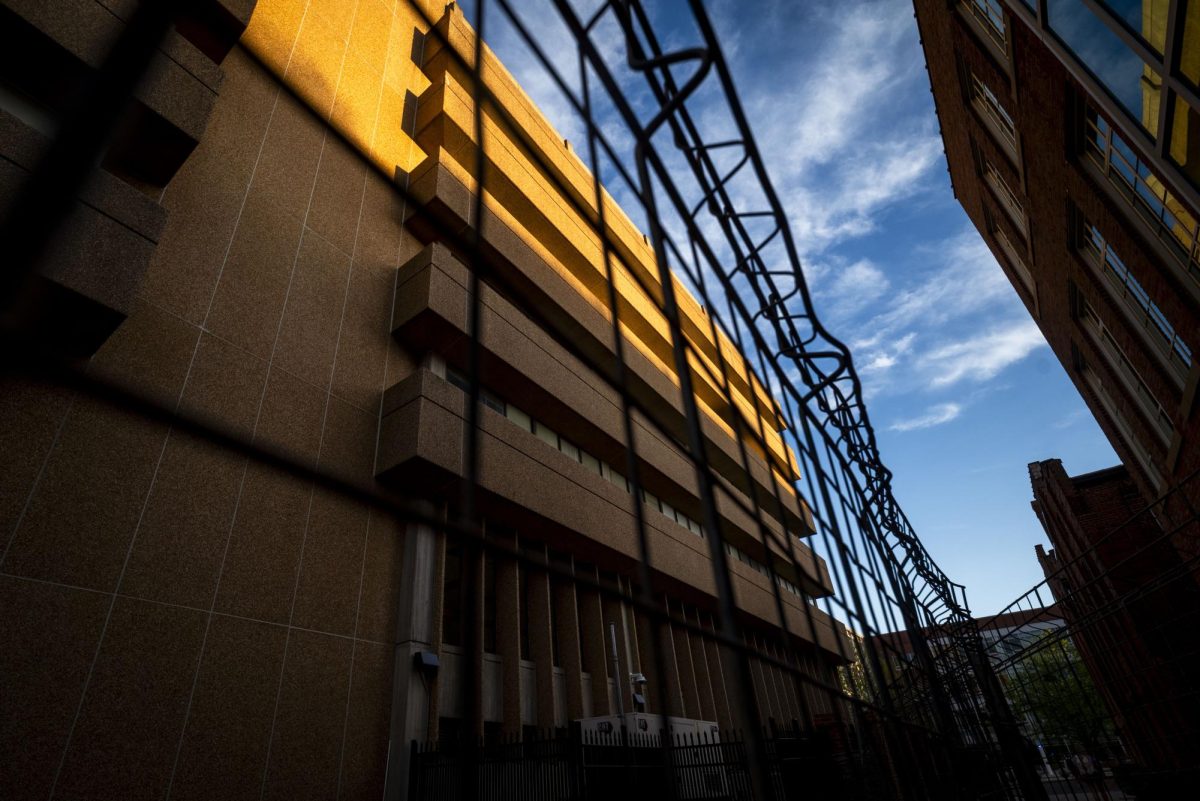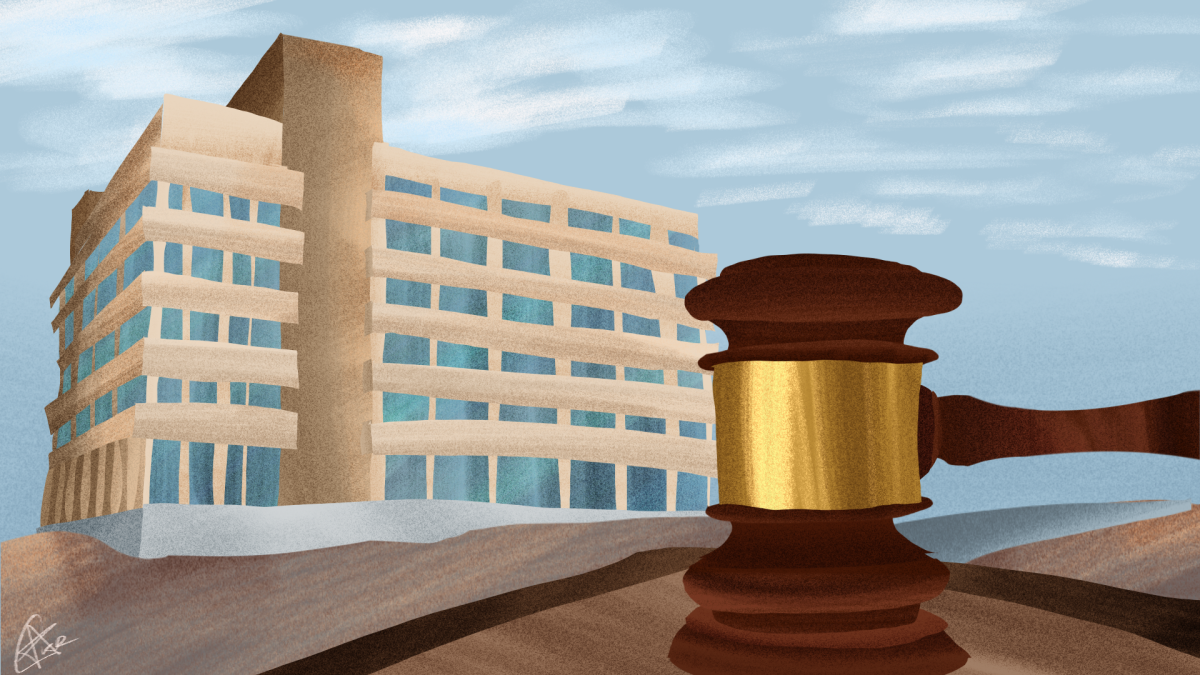


A group of former NC State students, faculty and staff filed a lawsuit in Wake County Superior Court alleging long-term exposure to toxic chemicals inside Poe Hall led to breast cancer diagnoses and, in some cases, death.
The complaint includes 12 plaintiffs, including two wrongful-death estates. Until recently, the legal conflict surrounding Poe Hall has focused on access to the building for individuals or on gathering potential evidence. This is the first lawsuit against NC State regarding individuals’ well-being.
Poe Hall, which opened in 1971, was closed by the university in 2023 after testing identified the presence of polychlorinated biphenyls, or PCBs, industrial chemicals that were commonly used in construction materials before being banned by Congress in the late 1970s due to health risks.
According to the lawsuit, PCB-containing materials were used throughout Poe Hall’s construction and gradually broke down over decades, releasing contaminants into the building’s air, dust and surfaces. The plaintiffs said they were exposed repeatedly while working or studying inside the building.
NC State did not begin comprehensive PCB testing inside Poe Hall until 2023. University-ordered testing later found PCB concentrations in some areas far above U.S. Environmental Protection Agency (EPA) safety thresholds.
The lawsuit also outlines several instances in which the plaintiffs allege the university had reason to investigate contamination sooner. In 1991, a power transformer serving Poe Hall failed, and testing identified PCB-contaminated oil in the building’s electrical system. The suit said no broader environmental testing followed the incident.
Again in 2009, the EPA encouraged school administrators to test indoor and outdoor infrastructure for PCB contamination after a mother sued the New York public school system over PCBs in caulk.
Plaintiffs also reference years of complaints relating to poor air quality inside the building, including visible particles coming out of vents and “burping” coming from the building’s HVAC vents, spreading particles around the building.
Since Poe Hall’s closure in 2023, more than 225 people have reported they have been diagnosed with cancer, according to WRAL. These diagnoses from students and faculty have ranged from all ages, from 20-40, with no shared familial or genetic history.
The plaintiffs are seeking a jury trial and monetary damages for medical costs, long-term disability and wrongful death. They bring a direct constitutional claim based on NC State’s “deliberate indifference” and violation of their rights under the North Carolina Constitution.
In a statement to WRAL, NC State said it would address the lawsuit through the legal process.
“For any member of the NC State community who has battled or succumbed to a serious illness, our hearts go out to them and their families,” the statement read. “This lawsuit is a continuation of actions stemming from complaints regarding Poe Hall. Responses to this legal action will be made through appropriate legal channels.”
In the same statement, the university also noted it is still pursuing legal action against Monsanto, the manufacturer of PCB-containing materials used during Poe Hall’s construction. NC State filed that lawsuit in October, seeking damages related to investigation, remediation and future liability connected to the contamination.
“Separately, NC State will continue to pursue accountability against Monsanto for damages from the PCBs it manufactured and furnished to construct Poe Hall. While the lawsuit against Monsanto continues, NC State will move forward with planning for remediation of the education building in order to get students, faculty and staff back to learning in an appropriate education environment in the heart of campus,” the statement read.