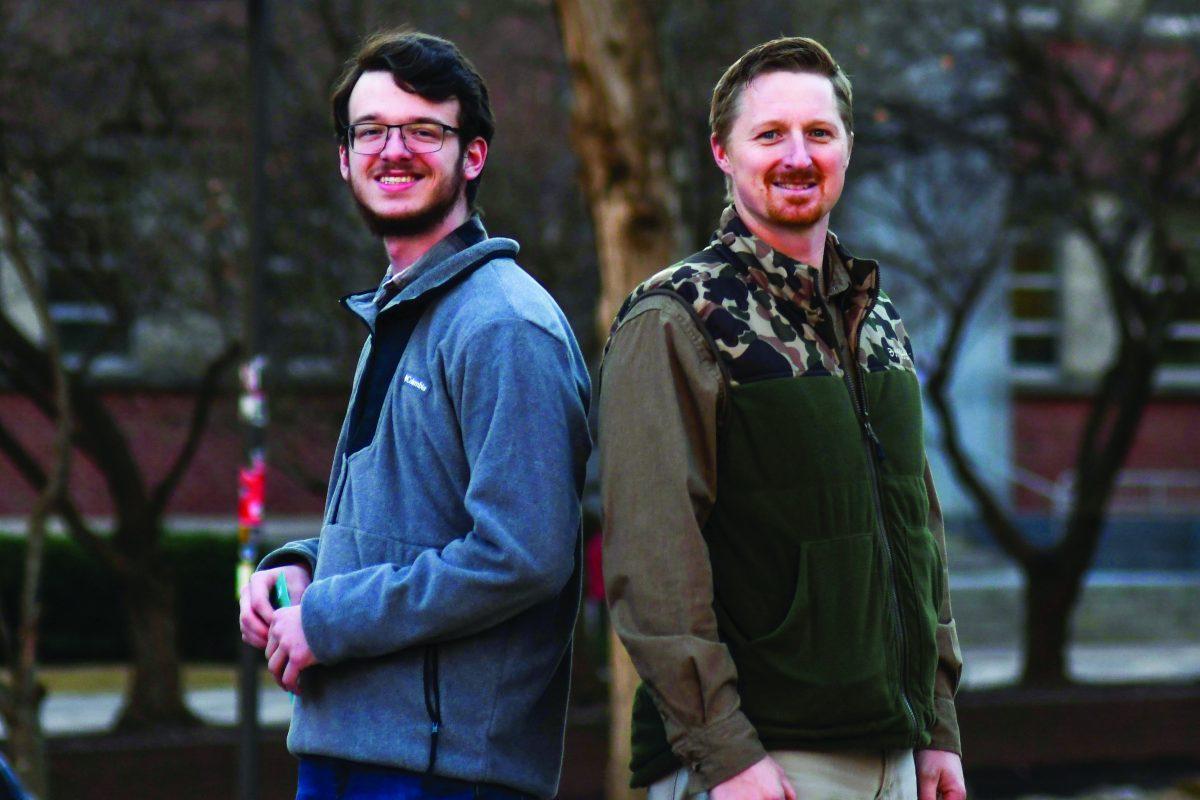

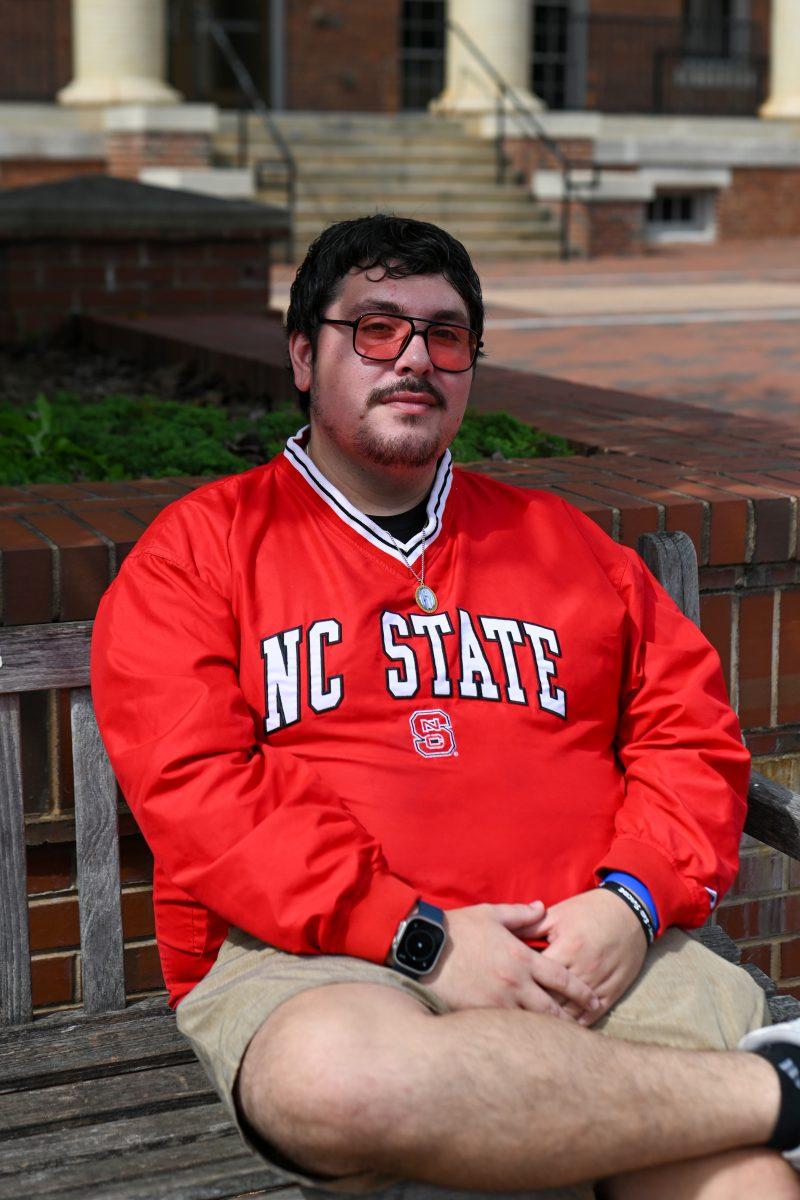
Rudy Delacuesta, a fourth-year studying social work, doesn’t know who he’s voting for.
A child of immigrants from Mexico and first-generation college student, Delacuesta admittedly doesn’t resonate with much of former President Donald Trump’s rhetoric. But, he said growing up in rural North Carolina influenced his politics, placing him to the right on certain issues.
It was when he moved to Raleigh for school that he began to identify with traditionally left-leaning causes. It’s this juxtaposition that has caused Delacuesta to split his ticket in years past, voting for a Republican president and a Democratic governor one year and vice versa the next, and likely in 2024 too.
“As far as this year goes — it’s strange because I don’t really care so much about the presidential election, because I feel like people get too caught up in that,” Delacuesta said. “I believe the governor’s race will have more of an impact on North Carolinian lives than any president ever will.”
Delacuesta said he’s made up his mind on the 2024 gubernatorial race.
“I really don’t like to judge people on their past, you know, but I just feel like Mark Robinson’s probably digging himself a hole you can’t climb out of,” Delacuesta said.
For president, he still finds himself on the fence with less than a month to spare. He voted for former Democratic presidential candidate Hillary Clinton when she ran against Trump in 2016, citing Trump’s rhetoric surrounding deportation. While Delacuesta did not see that occur in his own community, he did notice another kind of shift.
“There was a lot of, ‘Trump’s gonna do A, B or C, and if he gets elected, then my family and my loved ones are gonna get deported,’ like all the horror stories,” Delacuesta said. “And it turns out none of those came true. If anything, I had a lot more money in my wallet during his first four years than I have these past four.”
As for Democratic candidate Vice President Kamala Harris, while he is not opposed to a Harris presidency and does not question her qualifications for the top office, Delacuesta takes issue with the way she received the nomination, given she did not initially run in the primaries. In terms of policy, he wishes the Biden-Harris administration would have enforced stricter security at the border and provided more resources and increased pay for those on border patrol.
Delacuesta’s primary concern going into this year’s presidential election is what he sees as an issue of resources not being dispensed to the American people.
“It doesn’t sit well with me that we’ll have money to send rockets to Mars or send money to foreign adversaries,” Delacuesta said. “And I know that’s just how politics work, but I’d rather those funds get directed to the people that truly need it, for example, the hurricane victims or homelessness, childcare for single parents.”
Beyond that, he has concerns about the economy.
“That’s more for selfish reasons, but I think everyone votes a little bit because of that,” Delacuesta said. “If a candidate could assure me that I would have 20, 30% more money in my wallet each time I go out, they would get my vote every year, or that party whether it’s Democratic or Republican. That’s just the selfishness — I don’t even want to say selfishness, but it’s what’s best for you.”
As a social work major, Delacuesta tries to not let his future career interact with his voting habits, although he finds it difficult.
“I try not to let it intertwine too much, but it’s kind of hard, especially whenever my major is advocating for people,” Delacuesta said. “So as someone who advocates for people, I should do everything in my power to make sure people are in the best position to better themselves or come out on top, per se. And part of that due diligence is with voting, not just as a social work major, but as an American citizen in the United States.”
Delacuesta said he will sleep on the decision the night before Election Day on Nov. 5, when he plans to vote.