

In recent years, stores filled with bright colors and homes adorned with creative pieces have gone from the norm to few and far between. Minimalism is on the rise, leaving many wondering: Where has all the color gone?
Lines of grey, beige and white are affixed on the racks of clothing stores. Gone are the days of a bright accent wall or a pop of color on an otherwise bland shoe. While this could simply seem like a drab stylistic choice, it can actually reflect our current state as individuals and as a society as we try to find calm within the chaos of daily life.
Ava Fitzgibbon, a second-year majoring in political science and a member of the political science club, explained that the trend of minimalism in fashion is a reflection of society’s desire to not go against the grain.
“It kind of seems like everyone wants to wear the same thing and not deviate too much from the norm. People don’t really want to step outside their status quo and experience something new with their clothes,” Fitzgibbon said.
But fashion isn’t the only medium affected by the uptick in minimalism. Architecture and interior design have also been experiencing this major change.
Even holiday decor, which is typically bright and cheerful, has taken a minimalistic turn. A minimalistic nativity scene took the internet by storm in 2022, leaving many people wondering if minimalism is so simple after all. Choices like this are bound to spark conversations — and feel extravagant in their own oddly shaped way.
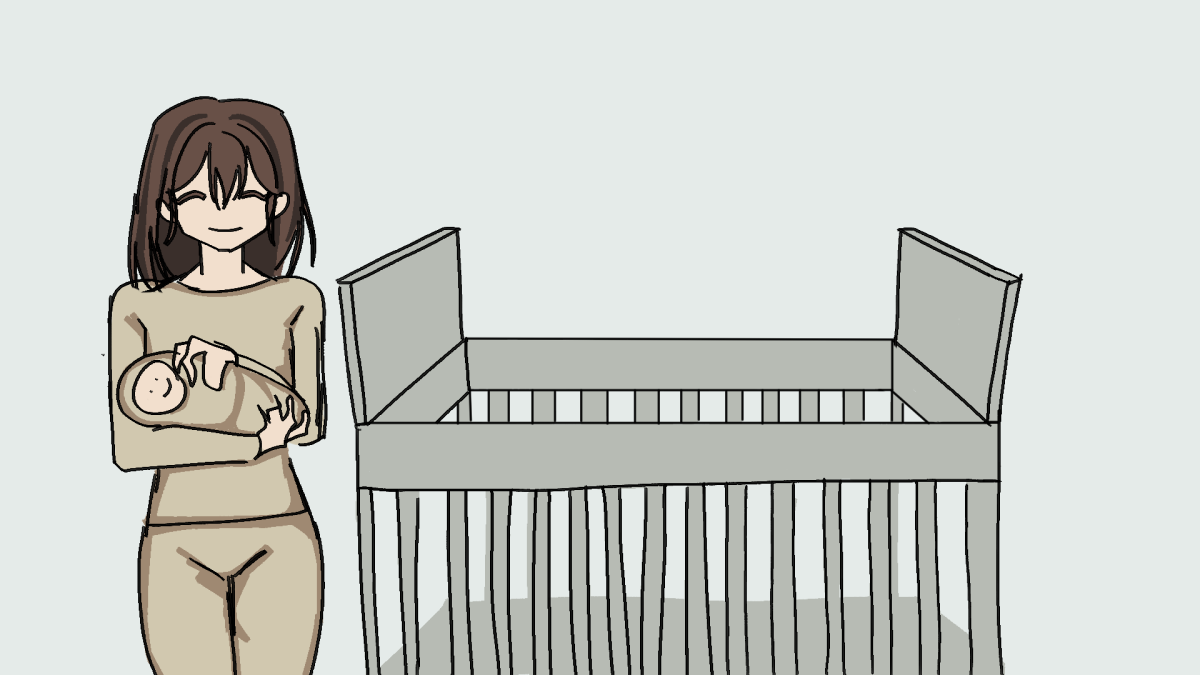
The controversial side of minimalism is especially present surrounding the choices of parents who stick to exclusively neutral color palettes, otherwise known as “beige moms.” This stylistic choice involves making baby nurseries, clothing and toys only neutral colors so it matches home decor and is easily reusable for other children. However, the lack of color could possibly hurt a baby’s development.
Another facet of the growing desire for minimalistic designs is in architecture, which represents a larger conversation about curriculum and client needs.
Mirabel Taylor, a third-year in architecture and one of the co-vice presidents of The American Institute Of Architecture Students, detailed how architects are often taught a core curriculum of the bare necessities that they usually don’t stray away from.
“Other design schools throughout history have this core curriculum that focuses on the bare bones elements of design and having those things down before you add in other stuff,” Taylor said.
Although minimalism in architecture can be partially attributed to the standard teaching protocol, political attitudes and social changes can also impact what kind of structures are present in a society.
Gabby Sielken, a third-year in architecture and the other co-vice president of The American Institute of Architecture Students, explained how political power and influence can determine what kind of architectural styles are present in society.
“The people in power are usually the people who have money and are the people who can build things,” Sielken said. “These people can promote that sense of identity.”
From fashion to architecture to interior design, minimalism has become a staple. White, grey and beige come with the promise of providing stability and conformity. Just like with all trends, it’s totally fine to participate in moderation — but always stay true to your personal style.