
NC State’s Student Government is working with Campus Enterprises and the Dining Advisory Committee to further discuss the Campus Market Affordability Act in hopes of lowering food prices in campus markets.
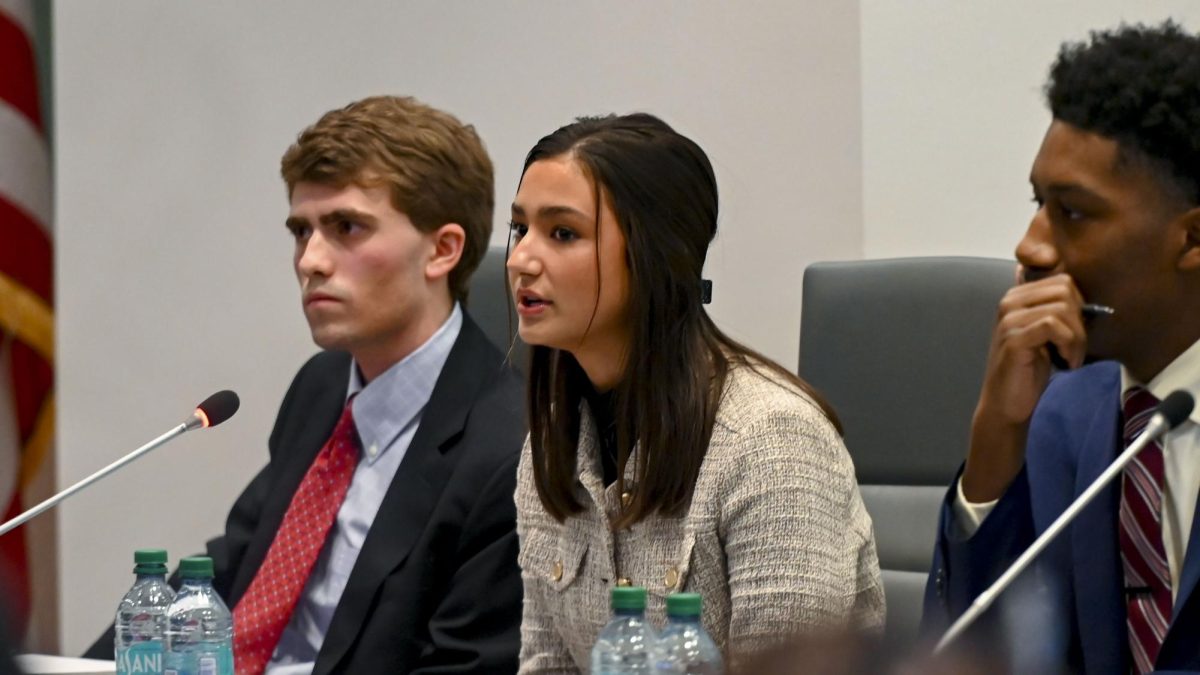
The resolution, which had its first reading on Nov. 5, asserts that the prices of items at campus markets are excessively inflated, defeating these markets’ primary purpose as a convenient and necessary food supply source for many students. The resolution also demands that Campus Enterprises be more transparent with students about how it prices products.
Compared to other retailers or wholesalers such as Costco, Sam’s Club or Walmart, the prices of some items on campus are inflated by up to 400%. The resolution even includes a list of price comparisons to put the issue into perspective.
The act, sponsored by over 20 senators, was drafted by Paul Lewis, a third–year civil engineering student and College of Engineering student senator. Lewis explained there has been an ongoing problem that has made purchasing food, drink and other essentials on campus inaccessible to students.
“There’s always been complaints about just how expensive these stores are,” Lewis said. “College tuition has nearly doubled in the past 10 years … The vast majority of students are now taking out student loans. It makes no financial sense for them to now have to budget their food.”
This resolution primarily serves to aid the entire student body, according to the student senate. However, it would particularly benefit students who use these markets as their primary source for meals. This includes many students who live off campus and don’t have meal plans and students who simply don’t have time to go to dining halls due to distance and tight schedules.
Richard Berlin, the associate vice chancellor for Campus Enterprises, who is also in correspondence with Lewis, stated that Campus Enterprises is prepared to work with Student Government to find ways to adjust pricing for students.
“I think the concern was well considered,” Berlin said. “And we are absolutely committed to and concerned about the affordability and the value perception of our program.”
Berlin said economic inflation has led to a general increase in food prices, yet NC State’s dining costs remain relatively low compared to other institutions.
“The challenge that we’ve had is that we’ve seen a lot of inflation in the cost of our products and whatnot and we try to absorb as much of that as we can,” Berlin said. “We’re not charging prices higher than our mark-ups are calculating.”
Another factor is that NC State’s campus markets don’t function like retail or grocery stores. Charles Maimone, NC State’s executive vice chancellor for finance and administration, explained that the markets operate on a much smaller scale than stores like Costco and Sam’s Club. Campus markets don’t buy in such high volumes, and they sell to a much smaller customer base. Consequently, food will cost more to balance output costs.
“Dining is a self-supporting operation. So it runs on the funds that it’s able to generate and then all of its costs have to be borne by that program,” Maimone said. “The funds that are generated from these services are used to improve and manage these services.”
Maimone, who attended the first reading of the act, explained that Campus Enterprises is already exploring ways to adjust pricing and the product mix to best accommodate student needs.
“I think what the resolution helps us do is to understand that … maybe the pricing strategy that you’ve put in place, you know, needs to be looked at again because what might have been a very predictable way of pricing products when products prices were stable might not be so effective in times when you have great fluctuations,” Maimone said.
Berlin notes that most students have their dining dollars rolled over to the next semester, indicating that market prices remain within a reasonable range.
“If the prices were so high at the convenience stores for the majority of the things that people buy, [and] they were using those as a primary means of getting meals, we might see money running out,” said Berlin. “We’re not seeing that dynamic. Doesn’t mean things are priced perfectly and, again, we’re happy to explore that.”
Berlin encouraged students to provide feedback so Campus Enterprises could best cater to their needs.
“In real time, you can send us a question, or a comment, or a concern, and people will get back to you right away. So we have many mechanisms to try to actively reach out to students and hear about their experiences because that’s part of our continuing improvement process,” Berlin said.
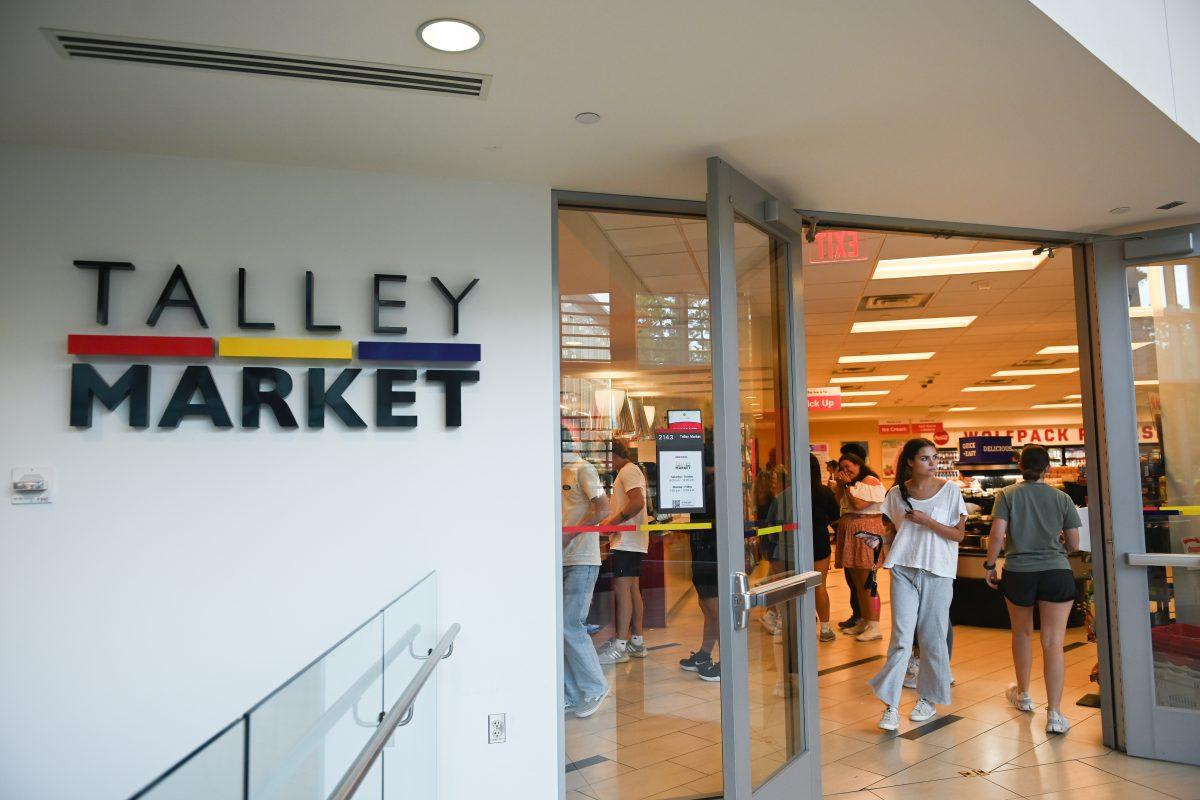
Students have varying perspectives on market pricing, as reflected in interviews with students shopping at Talley Market.
Samantha Huang, a first-year engineering student, explains that she doesn’t frequent the markets, but finds the pricing to be fair.
“If you manage your money well, you won’t have a particularly hard time eating stuff that you like on campus,” Huang said.
On the other hand, Alyssa Stellavia, a fourth-year studying biological sciences who commutes to campus, explains that she is often discouraged from shopping at campus markets because of the prices.
“I think it’s too high. It affects my decision making because there are some things which I have not because I like it or because it’s especially filling but because it’s cheap, and I think that financial pressure really makes you decide whether or not you want to eat something or just not eat and go home and eat when you get back,” Stellavia said.
The Student Affairs Committee has reviewed the bill and will be going to the student senate for a vote on Nov. 19.
In the meantime, Campus Enterprises has referred Student Government to the Dining Advisory Committee. They plan to work together to review food prices and make further adjustments to improve conditions for students.
“Having a fifth of Senate already on your bill before it’s even been introduced really shows how much the Student Government cares about this topic … I expect it to pass unanimously,” Lewis said. “If passed, we are asking for it to be in effect by next academic year. That gives the University plenty of time to conduct their research and look at their financials.”
Wilhelmina Ampomah-Sraha aided in reporting for this article.