
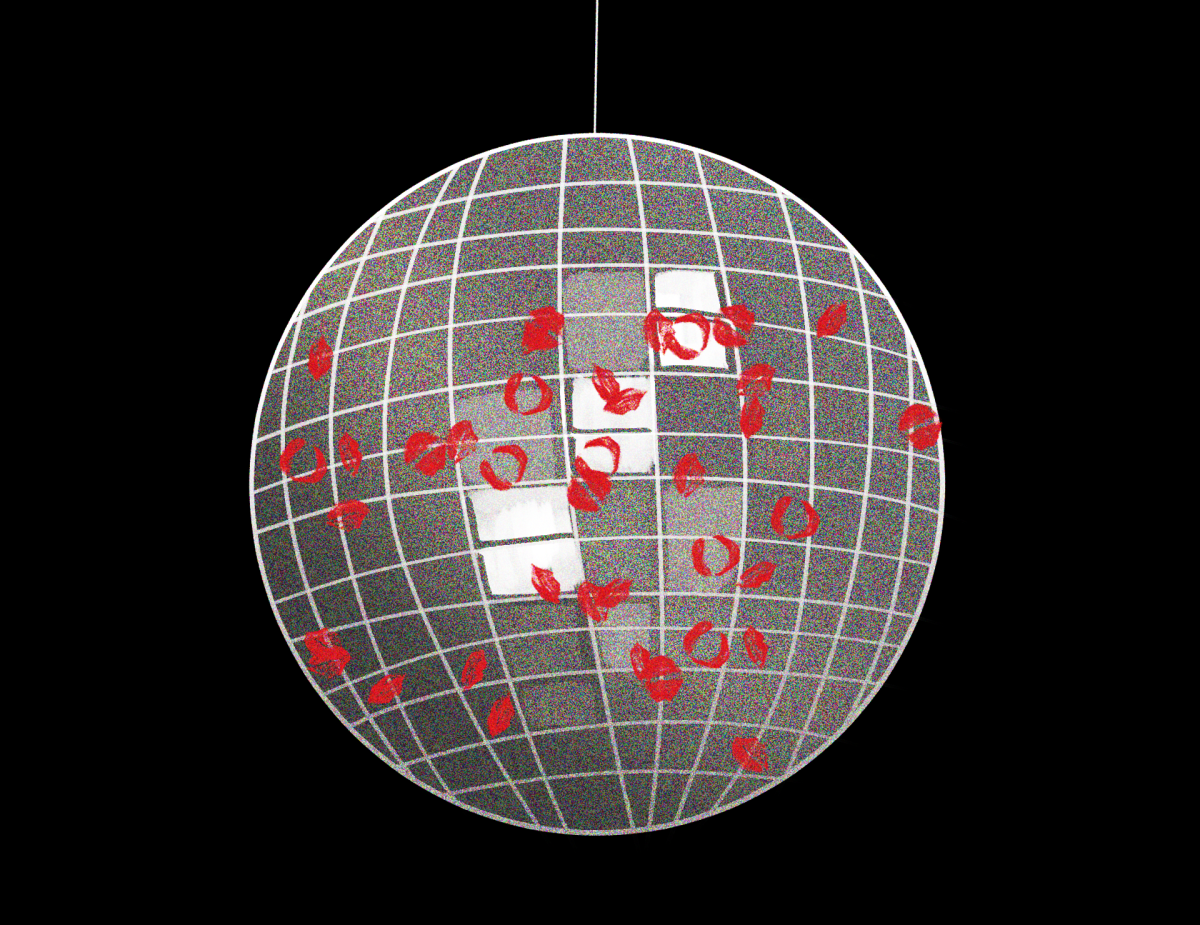
After four years, iconic British pop star Harry Styles released his long-awaited fourth studio album, ”Kiss All The Time. Disco, Occasionally.”
After the success of Charli XCX’s “BRAT,” many artists have tried to mimic that sound. Some have been successful in their shift to dance and hyperpop from R&B-Pop. But unfortunately for Styles, he fell short.
Consisting of 12 songs, Styles attempted to showcase his take on a dance-pop record. As a longtime listener, I was very excited when the album was announced to be released in early March.
March 6th at midnight, my phone, along with millions of others, got the notification that the album was available for streaming on all music platforms. I rushed to listen to what I believed was going to cure my internal drought and quench my thirst for some long-awaited Styles songs and singing. 42-minutes later, I stared at the far wall of my bedroom with a look of what I can only explain as pure disappointment and shock.
Only one single was released from the album in late January — the opening track of the album titled “Aperture.” After the release of the album, it remains the sole song that I think is up to the level of his previous works.
At first, I believed it would be like those instances where you have to listen to an album multiple times for it to stick. I listened to it again the next day. I did it again the day after that. And again the day after that. I took a break from listening and put it aside for a week. I tried again, and I was still unsuccessful. I would start the album, enjoy the first track, and then feel like I was listening to the same song again and again with slightly different words for the remaining 11 songs. I was at war with myself — how can I call myself a fan of this man if I don’t like the new addition to his discography?
The highly influential online music publication, Pitchfork, also gave its two cents on the album. On a scale from 1 to 10, Pitchfork gave this album a 5.6. The website also lets listeners leave their own rating. It, once again, received a 5.6.
Confirming my suspicions of repetition, Pitchfork tallied up the number of times Styles used certain words throughout the album. The word “you” is used 326 times and “I” is used 127 times. The overall consensus was that Styles’ personality was missing from the songs.
Known for his generally upbeat, happy and positive tone with a sprinkle of more somber, melodic songs, Styles always used lyrics that held personal meaning to him, often having songs that reflected on his own life experiences.
There were always distinct differences between each track on his previous albums, each one with its own unique sound. For instance, on his sophomore album titled “Fine Line,” the transitions from “Adore You” to “Lights Up” is abundantly clear. There was no need to check and see what the song was called or if a new song had started at all.
However, Styles’ recent addition to his discography did not follow this same pattern. Whether it was the first or fourth listen, it was difficult to differentiate when one song ended and another began because they all blended together. All songs sounded similar enough that it strayed away from the album having a clear theme to it. Instead, it sounded like a jumble of beats and words that were close enough to make each song almost indistinguishable.
There’s no doubt that Styles remains a beloved artist with an extremely large following. For his next tour, Styles will perform at Madison Square Garden for 30 nights straight, and all shows have since been sold out. It’s estimated that close to 11.5 million people signed up for pre-sale tickets through Ticketmaster. An everyday artist wouldn’t rack up those types of numbers.
Considering I’m a member of the large following the former One Direction singer has, I can’t ignore the fact that sometimes an artist I like will release music that I won’t be happy with or can’t enjoy. But just because I didn’t love it doesn’t mean that I’ll advocate for others not to listen.
Some music is an acquired taste, and not everything is catered to our different preferences, just like “Kiss All The Time. Disco, Occasionally.”